 The Metro
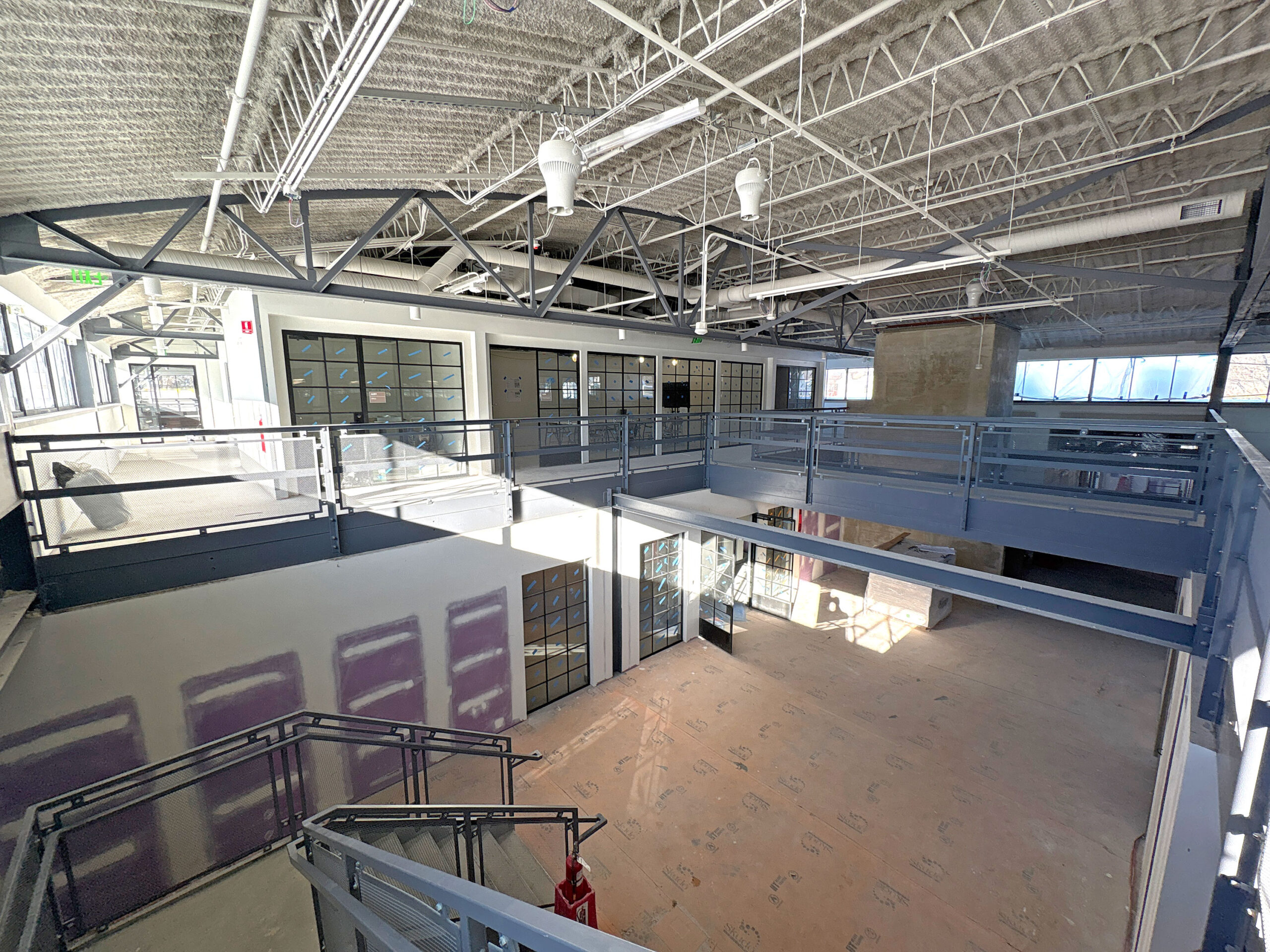 project in New York’s Hudson Valley is redefining modern, high‑performance design and construction. Through the integration of renewable energy systems and intelligent building controls, the project demonstrates how innovation and sustainability can work together to create long‑term value. PC Construction’s revitalization of a century‑old, 75,000‑square‑foot manufacturing warehouse will ultimately provide a safe, supportive environment where young people can gain hands‑on training as they begin their career paths.
When complete, a 20,000‑square‑foot portion of The Metro will be dedicated to hands‑on making, skill‑sharing, and creative community projects rooted in sustainable practices. The centerpiece of this space is a state‑of‑the‑art OMAX abrasive waterjet system that students will use to cut and machine virtually any material. Capable of operating at 60,000 PSI with a 32‑square‑foot cutting area, the OMAX delivers extreme precision and can produce complex three‑dimensional metal components.
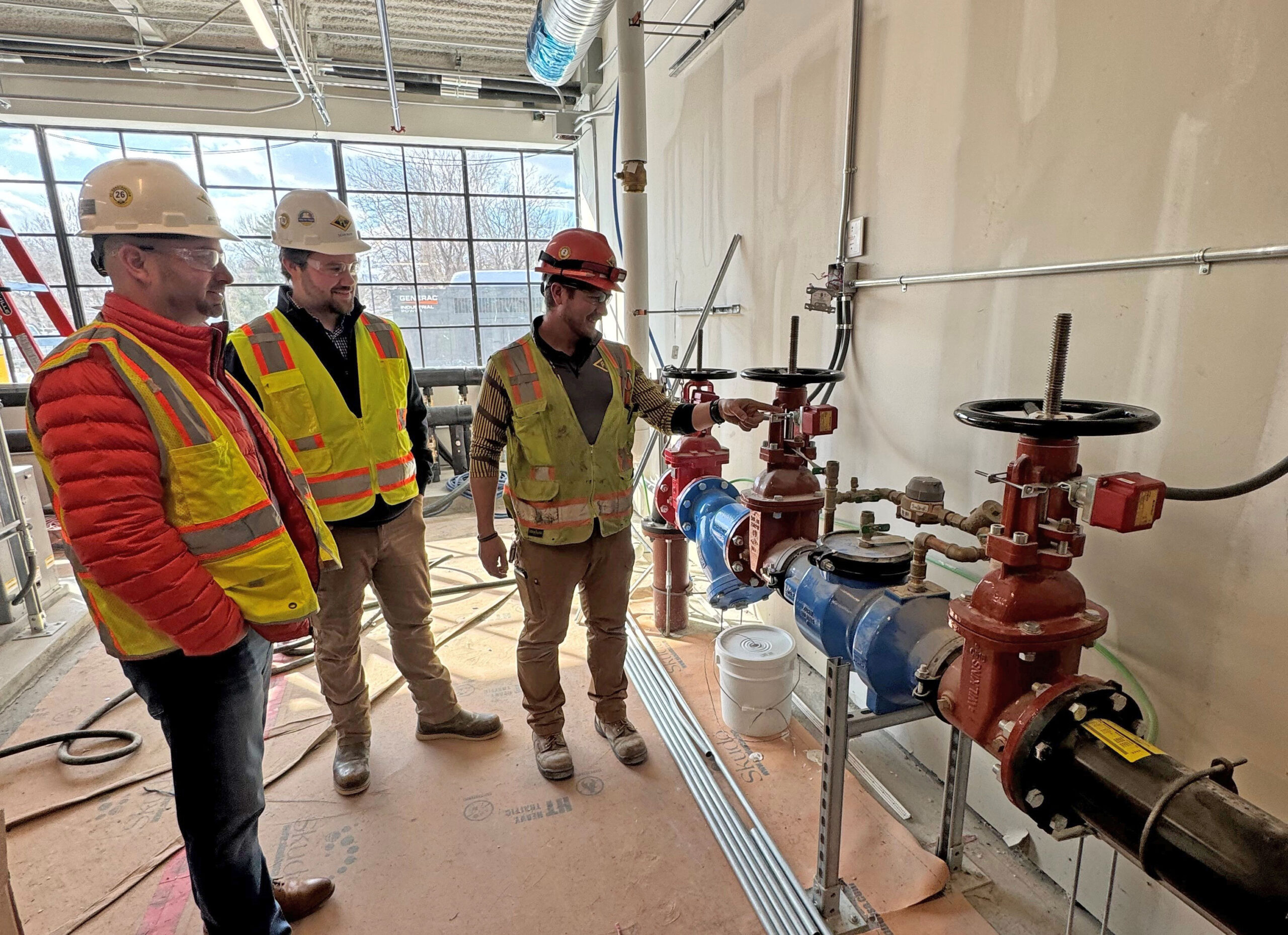
Sustainability is a cornerstone of The Metro’s design and construction. A new, geothermal‑supported walk‑in cooler will serve the culinary suite, utilizing an indoor, water‑cooled refrigeration condensing unit to reduce energy use and improve system reliability. The project also incorporates geothermal snow‑melt systems beneath the sidewalks and parking areas, further enhancing safety and performance while minimizing environmental impact.
Another defining feature of the project is The Metro’s Battery Energy Storage System (BESS) and integrated microgrid. This system unifies all onsite power sources—solar, battery storage, the electrical grid, and a generator—into a single, intelligent energy network. Designed to optimize power consumption, the system can also return electricity to the local grid.
At the heart of the BESS is a 1,147‑kilowatt‑hour lithium iron phosphate battery, selected for its safety, thermal stability, and long lifecycle. A custom control platform enables the owner to actively choose where power is sourced, reserving generator use as a last resort. Off‑the‑shelf solutions could not meet the demands of the owner’s vision and bridging that gap required a true team effort involving nine firms, including PATHION and SYL Battery.
All of the building’s utilities are monitored and managed through a sophisticated building management system that integrates geothermal, HVAC, plumbing, and electrical systems to maximize efficiency and performance. Sustainability extends to the building envelope as well, with features such as thermally broken glass block, recycled stainless steel, and triple‑pane windows. Targeting LEED Platinum certification, the project has already diverted more than 92 percent of construction waste from landfills, positioning The Metro as a model for the future of sustainable development.
The first phase of the project will be completed this spring, with final completion scheduled for late 2026.